
FSBO property in BrazilDirect owner offers with verified property details

Popular
cities and regions in Brazil

Best offers
in Brazil
Benefits of investment in
Brazil real estate


Tropical metropolis expansion
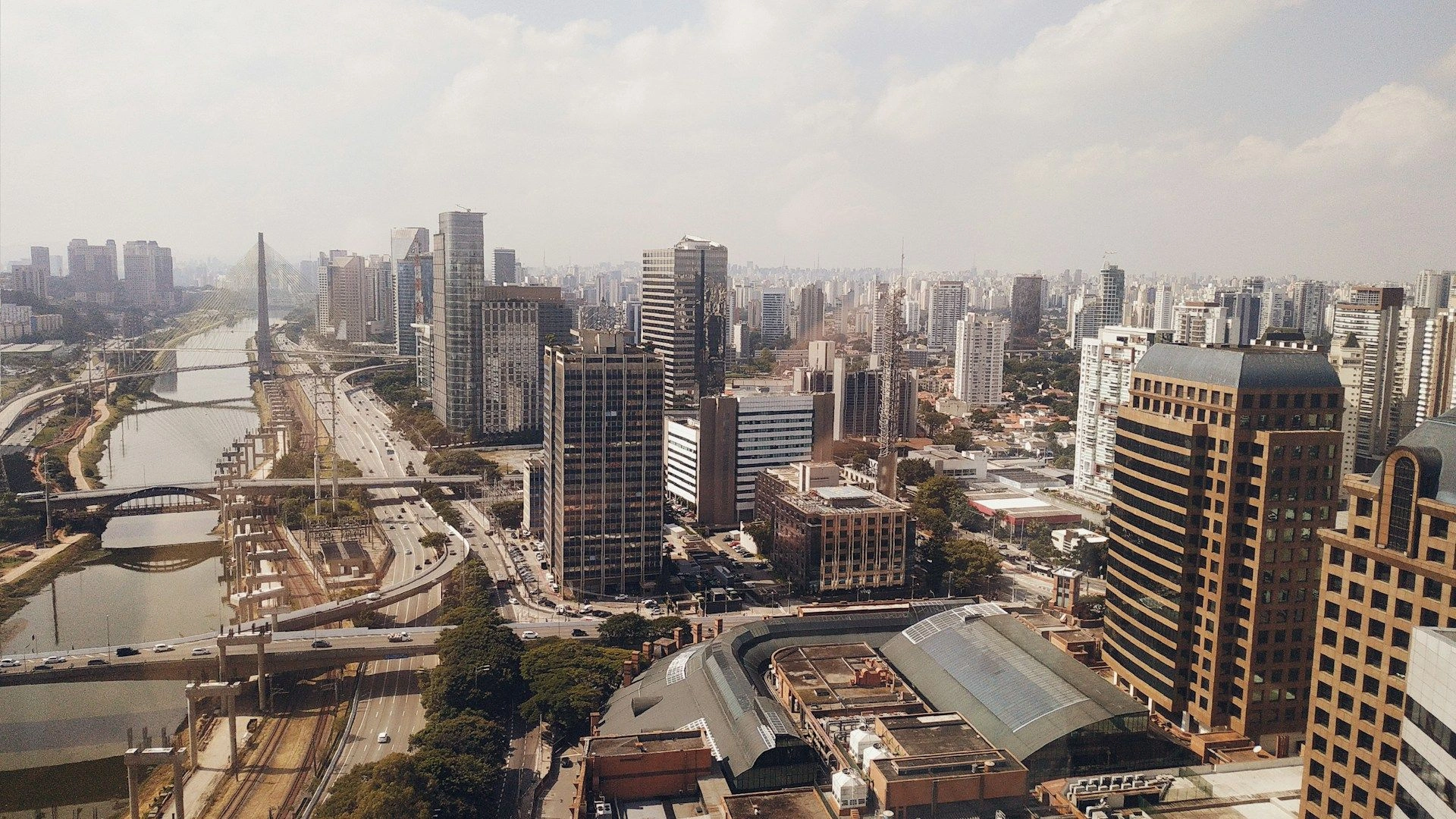
Sao Paulo's continuous urban growth creates layered property markets from historic centers to new financial districts. The city's vertical development patterns differ fundamentally from coastal markets. Purchasing directly from owners provides access to South America's most complex urban property ecosystem.
Amazon ecological transition
Northern Brazil's property markets balance resource development with environmental preservation in globally significant biomes. These frontier regions offer unique ecological assets with specific regulatory frameworks. Buying directly from owners enables navigation of complex environmental property regulations.
Cultural capital preservation
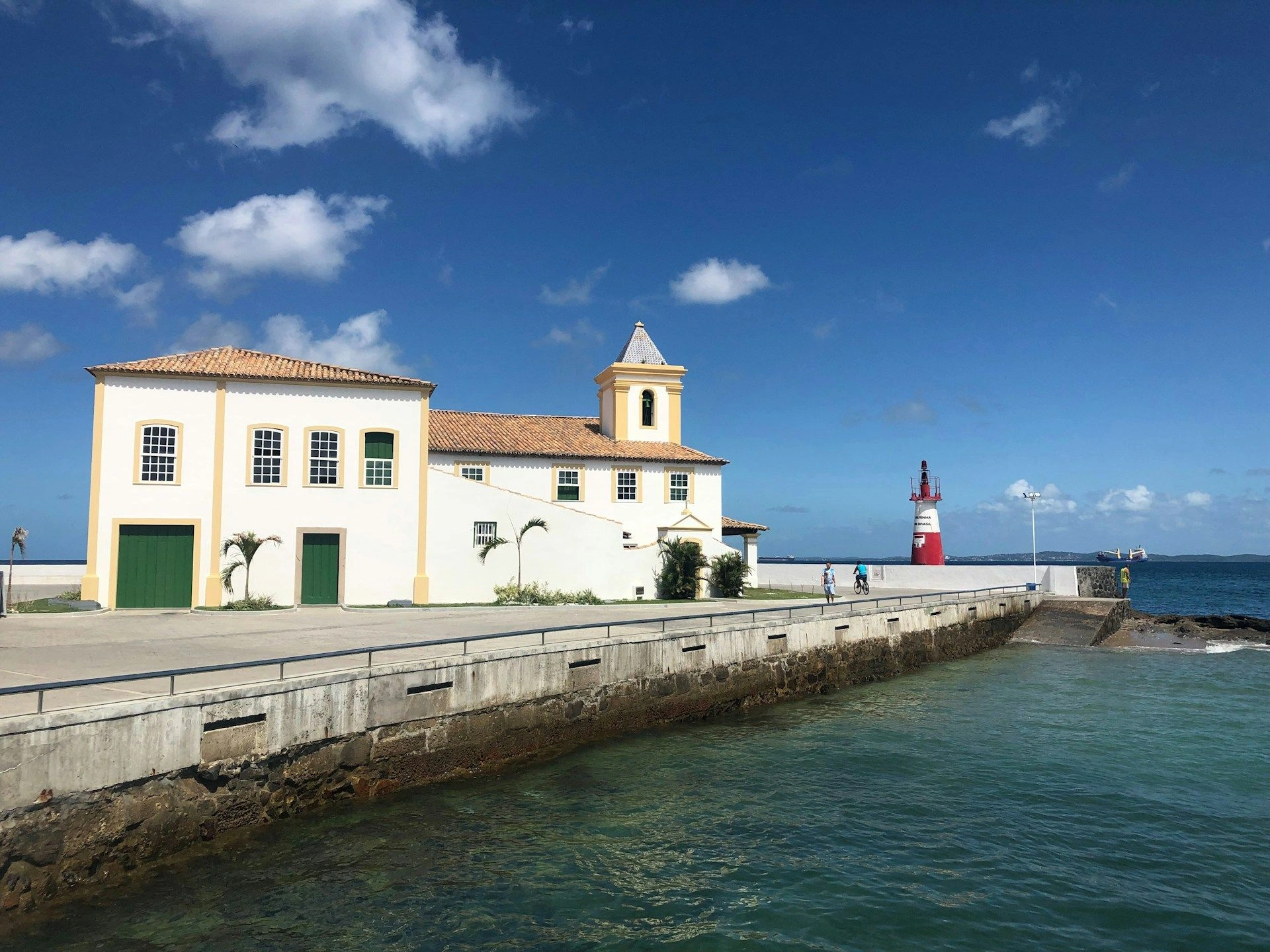
Salvador and Olinda maintain exceptional colonial architecture within living cultural landscapes. These protected urban environments offer restoration opportunities with authentic character. Direct purchases facilitate acquisition of historically significant properties in active cultural centers.
Tropical metropolis expansion
Sao Paulo's continuous urban growth creates layered property markets from historic centers to new financial districts. The city's vertical development patterns differ fundamentally from coastal markets. Purchasing directly from owners provides access to South America's most complex urban property ecosystem.
Amazon ecological transition
Northern Brazil's property markets balance resource development with environmental preservation in globally significant biomes. These frontier regions offer unique ecological assets with specific regulatory frameworks. Buying directly from owners enables navigation of complex environmental property regulations.
Cultural capital preservation
Salvador and Olinda maintain exceptional colonial architecture within living cultural landscapes. These protected urban environments offer restoration opportunities with authentic character. Direct purchases facilitate acquisition of historically significant properties in active cultural centers.








Useful articles
and recommendations from experts
Navigating Brazilian Property Diversity Through Direct Acquisition
Brazil's territorial vastness creates property opportunities fundamentally different from compact European markets, where regional distinctions matter more than national trends. This analysis examines how direct owner purchases provide unique advantages across Brazil's contrasting property landscapes, from futuristic urban towers to protected rainforest edges.
Sao Paulo's Financial Gravity and Urban Layering
Latin America's financial capital demonstrates property dynamics where corporate concentration and cultural diversity intersect. The city's multiple business districts—Paulista, Faria Lima, Berrini—each generate distinct property demand patterns from different professional sectors. Unlike single-center cities, Sao Paulo's polycentric structure creates numerous micro-markets where successful investment requires understanding specific corporate geography. Direct purchases from owners in financial sectors reveal how banking, technology, and industrial professionals choose locations based on workplace proximity and community characteristics.
Rio's Geographic Constraints and Scarcity Economics
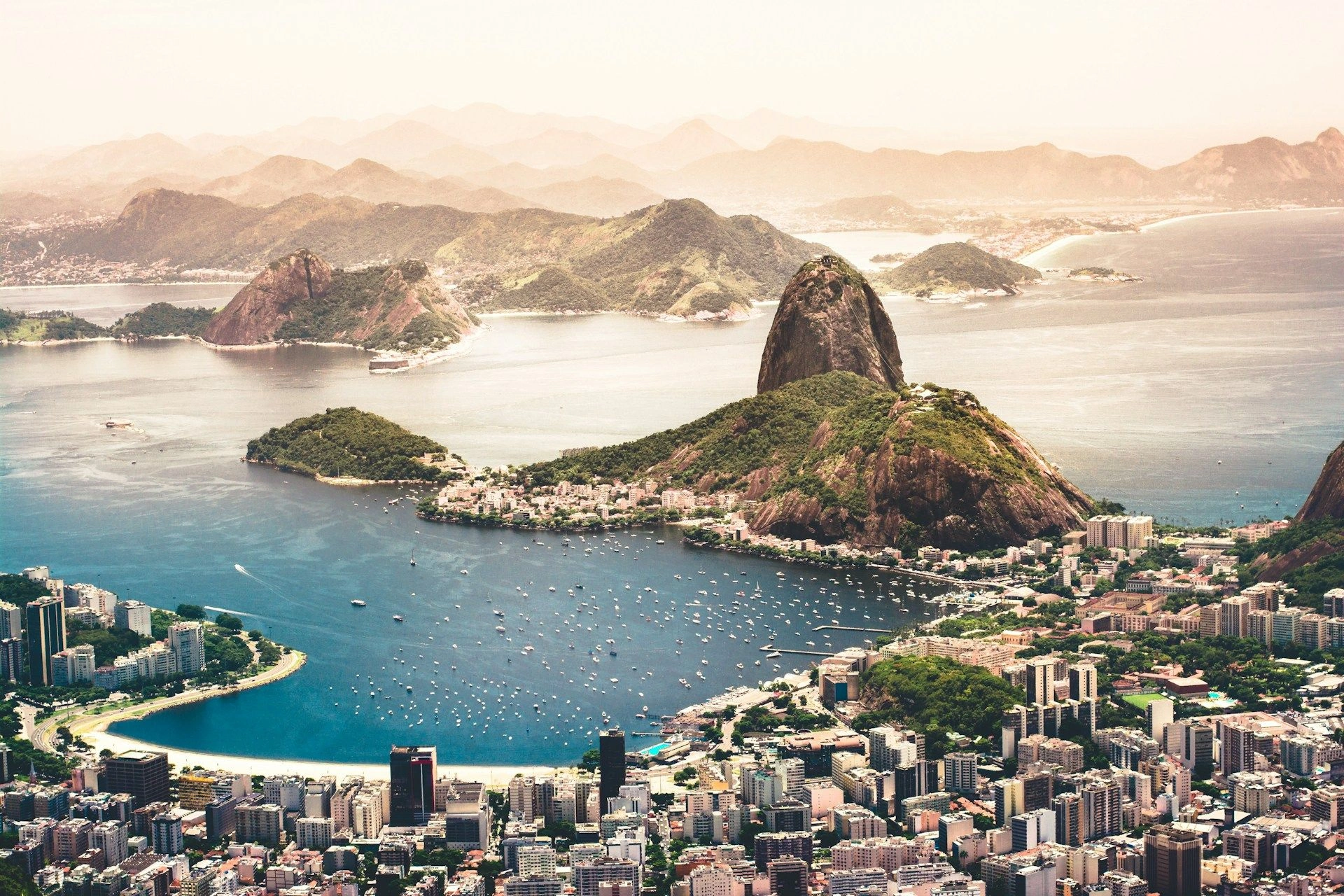
Between mountain and sea, Rio de Janeiro's developable land scarcity creates unique property valuation principles. The city's famous beachfront neighborhoods operate under different market physics than hillside communities, with security, accessibility, and microclimate creating complex value calculations. Properties in Zona Sul benefit from established infrastructure but face renovation restrictions, while Barra da Tijuca offers modern amenities with different community dynamics. Direct engagement with owners across these zones provides practical understanding of how Cariocas balance lifestyle preferences with investment considerations.
Northeastern Coastal Development Patterns
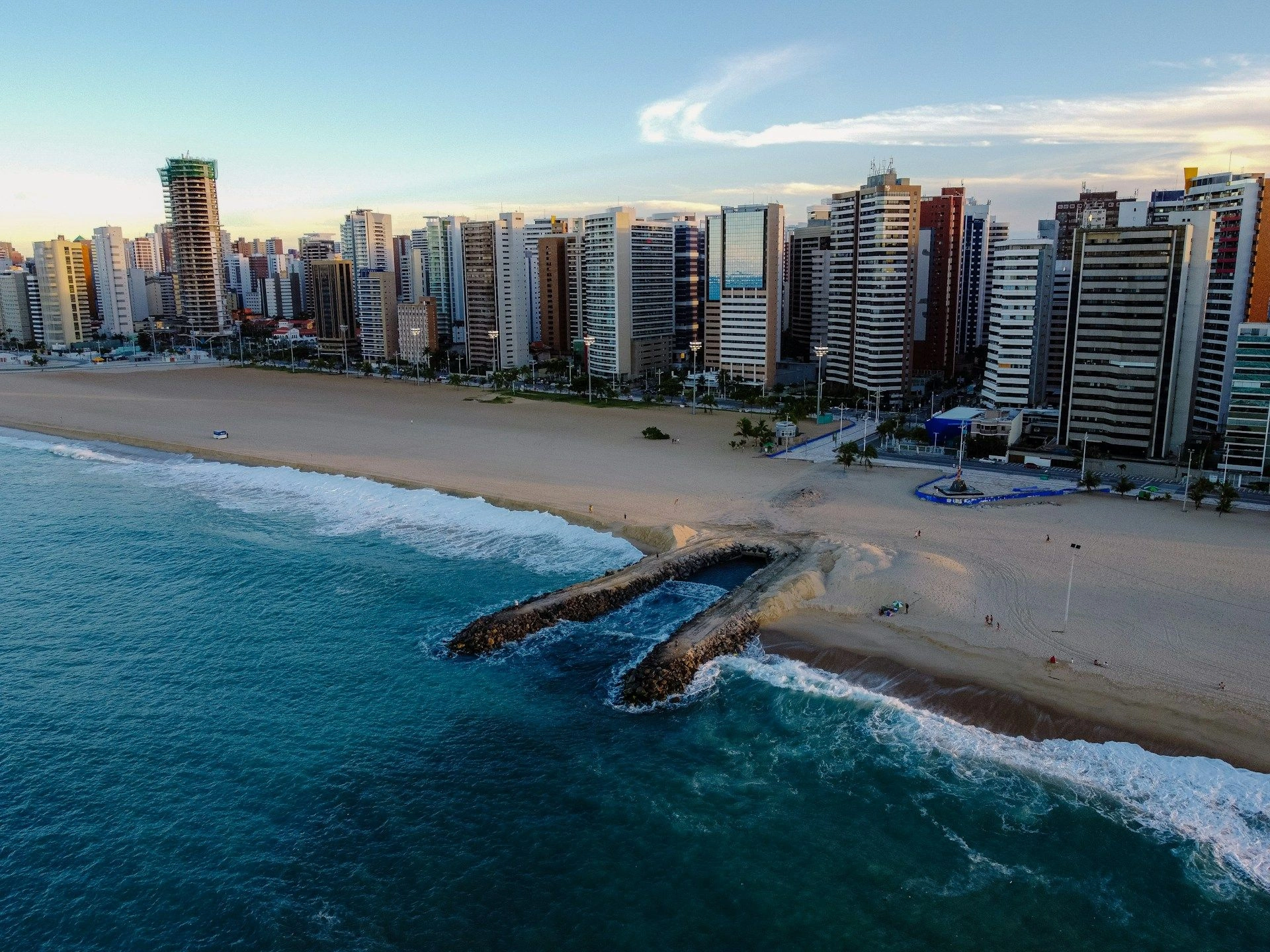
Brazil's northeastern coastline undergoes transformation from seasonal tourism destinations to year-round residential markets. Cities like Fortaleza, Natal, and Recife demonstrate how infrastructure improvements—particularly airport expansions and coastal highways—alter property accessibility and desirability. These markets evolve through distinct phases: initial tourism development, secondary home construction, followed by primary residence migration. Understanding which phase a specific coastal area occupies is crucial for timing direct purchases, as different buyer profiles dominate each stage.
Agricultural Frontier Due Diligence
Mato Grosso and Goias property transactions require specialized knowledge beyond conventional real estate assessment. Productive land valuation incorporates soil classification, water rights, transportation access, and commodity price exposure. Unlike urban properties, agricultural investments depend on both land characteristics and operational expertise. Direct purchases from farming families provide insights into practical considerations like equipment availability, labor markets, and storage infrastructure that significantly impact productive potential.
Legal Architecture in Federal Complexity
Brazil's multilayer regulatory environment—federal, state, municipal—creates specific challenges for property transactions. Notary procedures, registration systems, and tax calculations vary significantly between states, while environmental regulations differ across biomes. Properties in historical centers face additional preservation restrictions, while rural lands encounter forestry code compliance requirements. Direct owner discussions reveal practical navigation methods for these bureaucratic landscapes that formal market channels often oversimplify.
Infrastructure Timing and Location Strategy
Major transportation projects—particularly Sao Paulo's metro expansion and Brasilia's light rail development—create sequential property appreciation corridors. However, Brazilian infrastructure timelines often differ from initial projections, creating both risks and opportunities. Properties near announced but unbuilt transit lines require different evaluation than those adjacent to operating stations. Direct purchases from owners who have experienced previous infrastructure developments provide realistic timelines and impact assessments.
Security Considerations in Urban Selection
Brazilian property values incorporate security considerations absent in many global markets. Gated communities, concierge services, and electronic surveillance represent significant cost factors that influence location decisions. Different demographic groups prioritize security features differently—families versus single professionals, nationals versus expatriates. Direct conversations with owners reveal how security considerations practically influence daily life and property functionality beyond simple valuation metrics.
Climate Adaptation and Property Resilience
From southern frosts to northeastern droughts, Brazil's climatic diversity requires specific property adaptations. Construction materials, insulation standards, and water management systems vary regionally based on environmental conditions. Properties in flood-prone coastal areas or landslide-susceptible hillsides require specialized engineering assessments. Direct owner experience provides practical understanding of maintenance challenges and adaptation costs across different climatic zones.
Cultural Preferences and Design Adaptation
Brazilian living preferences—outdoor integration, servant quarters, multi-generational layouts—influence property design and functionality differently than European or North American standards. Regional variations further complicate this picture: Sao Paulo's enclosed apartments contrast with Minas Gerais' sprawling quintais. Understanding these cultural preferences is essential for evaluating property adaptability to different user profiles through direct owner insights.